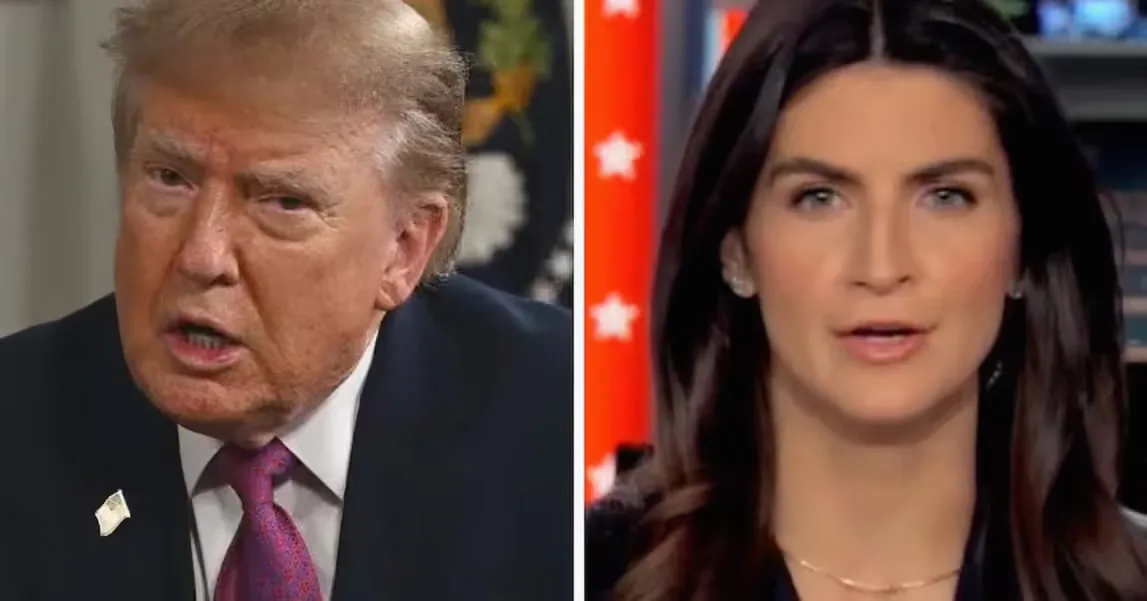
CNN anchor Kaitlan Collins took a sharp tone with President Donald Trump this week, highlighting a deepening rift within the Republican party over the administration’s cozy relationship with former Nvidia CEO Jensen Huang. The fallout comes after Huang resigned from the semiconductor giant amid a whirlwind of personal scandals, including allegations of multiple extramarital affairs with subordinates. More troubling for Washington, however, are intelligence reports suggesting that Huang may have acted as a spy for Beijing, turning a corporate crisis into a potential national security disaster.
During a segment on The Source, Collins scrutinized the timeline of events, pointing out that the FBI had reportedly been investigating Huang for at least a year. Despite these red flags and direct briefings from Secretary of State Marco Rubio, President Trump continued to champion the billionaire, even inviting him onto Air Force One for a trip to Beijing earlier this year. While Trump dismissed the warnings as having little impact on him and publicly described Huang as an honorable man who likely had excuses for his behavior, critics argue that this blind loyalty compromised American interests.
The tension has reached a boiling point on Capitol Hill, where members of Trump’s own party are now breaking ranks to demand accountability. High profile Republicans including Senators Tim Scott and Jim Banks are calling for urgent testimony from both Huang and Commerce Secretary Howard Lutnick to determine how such significant security risks were overlooked. Senator John Kennedy emphasized the gravity of the situation, comparing the urgency of the matter to a medical emergency while insisting that the American public deserves transparent answers.
At the center of the political firestorm is a controversial business arrangement negotiated by Trump himself, which allowed Nvidia to maintain access to Chinese markets in exchange for giving 25 percent of its profits to the U.S. government. Collins suggested that this deal served as evidence that Huang’s proximity to power paid off handsomely for both his company and foreign interests. As Senate panels prepare to exercise their subpoena powers, the administration finds itself defending why it maintained such high level trust in a man under federal scrutiny.